
‘Your Health Matters’ encourages open conversations about menopause
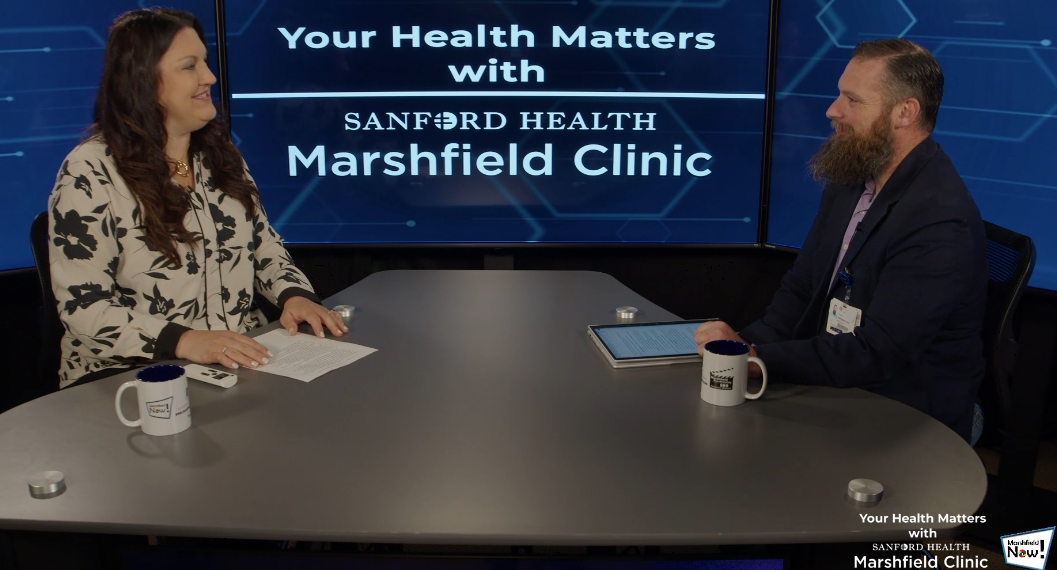
Hot flashes, sleepless nights and other changes associated with menopause can disrupt daily life, but women have options for managing their symptoms. That was the central message of episode 16 of “Your Health Matters,” featuring host Laura Kibbel and Dr. Timothy Golemgeski of Sanford Health Marshfield Clinic.
Kibbel opened the conversation by sharing her own experience with hot flashes, sleep challenges and body changes after turning 50. Golemgeski, a primary care physician and physician administrator, discussed how women can recognize the transition and work with a clinician to explore treatment.
The discussion began with the difference between perimenopause and menopause. Golemgeski explained that perimenopause is the transition leading up to menopause, when fluctuating hormones can cause irregular menstrual cycles and other symptoms. Menopause is reached after 12 consecutive months without a menstrual period.
He said menopause occurs at an average age of about 51, although the timing varies. Family history may offer clues about when the transition could begin, but it does not provide an exact timetable.
Changes in menstrual cycles are often among the earliest signs of perimenopause. Other symptoms discussed included hot flashes, night sweats, mood changes and difficulty falling or staying asleep. Vaginal dryness and changes in sexual desire can also affect comfort, relationships and quality of life.
Throughout the conversation, Kibbel encouraged women to raise concerns they might otherwise hesitate to discuss.
Golemgeski emphasized practical steps to support overall health, including physical activity, healthy eating and managing chronic conditions such as high blood pressure and diabetes. He acknowledged that work schedules, family responsibilities and cost can make ideal routines difficult to maintain.
He also discussed consistent sleep routines, keeping the bedroom cooler, reducing screen use before bed and limiting caffeine later in a person’s waking hours. Limiting alcohol, quitting smoking and finding ways to manage stress were other approaches addressed.
Those habits support general health, he explained, but should not be viewed as guaranteed solutions for menopause symptoms.
The episode also examined supplements marketed to women experiencing menopause. Golemgeski urged viewers to approach advertising claims cautiously, saying many products lack convincing scientific evidence that they relieve symptoms.
For vaginal dryness and discomfort, he discussed over-the-counter moisturizers and lubricants, along with prescription vaginal estrogen. He also noted that sleep difficulties, anxiety and depression can influence sexual well-being and may deserve attention as part of a broader conversation about symptoms.
A substantial portion of the program focused on menopausal hormone therapy and the importance of weighing its benefits and risks for each patient.
Golemgeski said hormone therapy can offer meaningful relief for appropriately selected women, particularly those experiencing disruptive hot flashes and related symptoms. He emphasized that decisions should account for age, time since menopause, medical history and individual risk factors.
Hormone therapy is not risk-free. The Menopause Society notes that risks vary by treatment and patient history and can include blood clots, stroke and, with some regimens, breast cancer. The choice of treatment requires an individual discussion with a health care professional. The Menopause Society
During the episode, Golemgeski identified a history of breast cancer, cardiovascular disease, stroke or blood clots as important concerns in evaluating treatment. Unexplained vaginal bleeding also requires medical evaluation.
The conversation closed with encouragement to seek help from a trusted clinician. A primary care provider can be a starting point, Golemgeski said, while an obstetrician-gynecologist is another option.
Kibbel encouraged women whose symptoms interfere with daily life to make an appointment specifically to discuss menopause and available care.
The episode emphasized that women should feel comfortable asking questions and discussing how menopause affects their quality of life.